Ground-Mount vs. Roof-Mount Solar: Which Delivers Better Long-Term ROI?
The Core Tradeoff
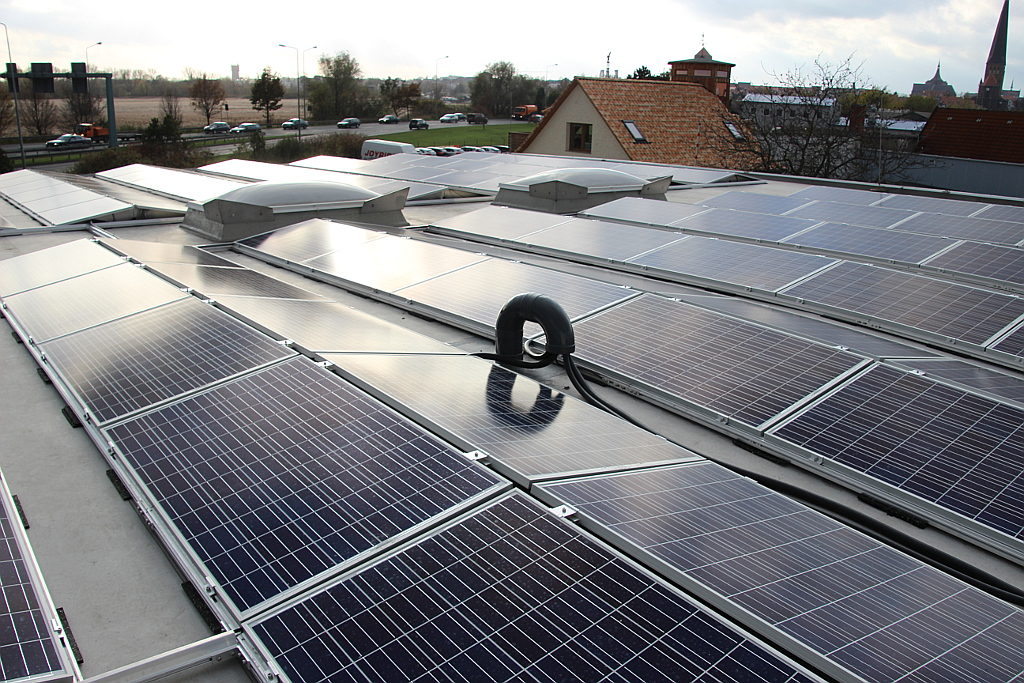
Roof-mount solar integrates with your existing structure. It uses roof space that would otherwise go unused, requires no additional land, and is less visually intrusive. It is the default choice for most residential installations.
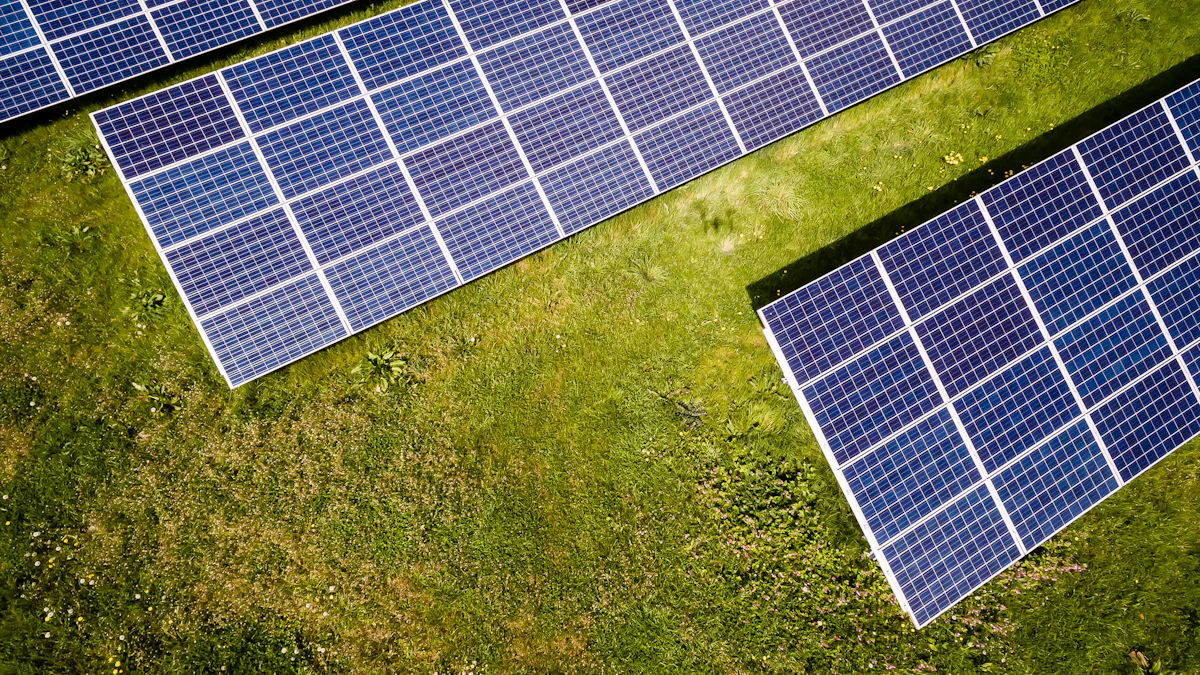
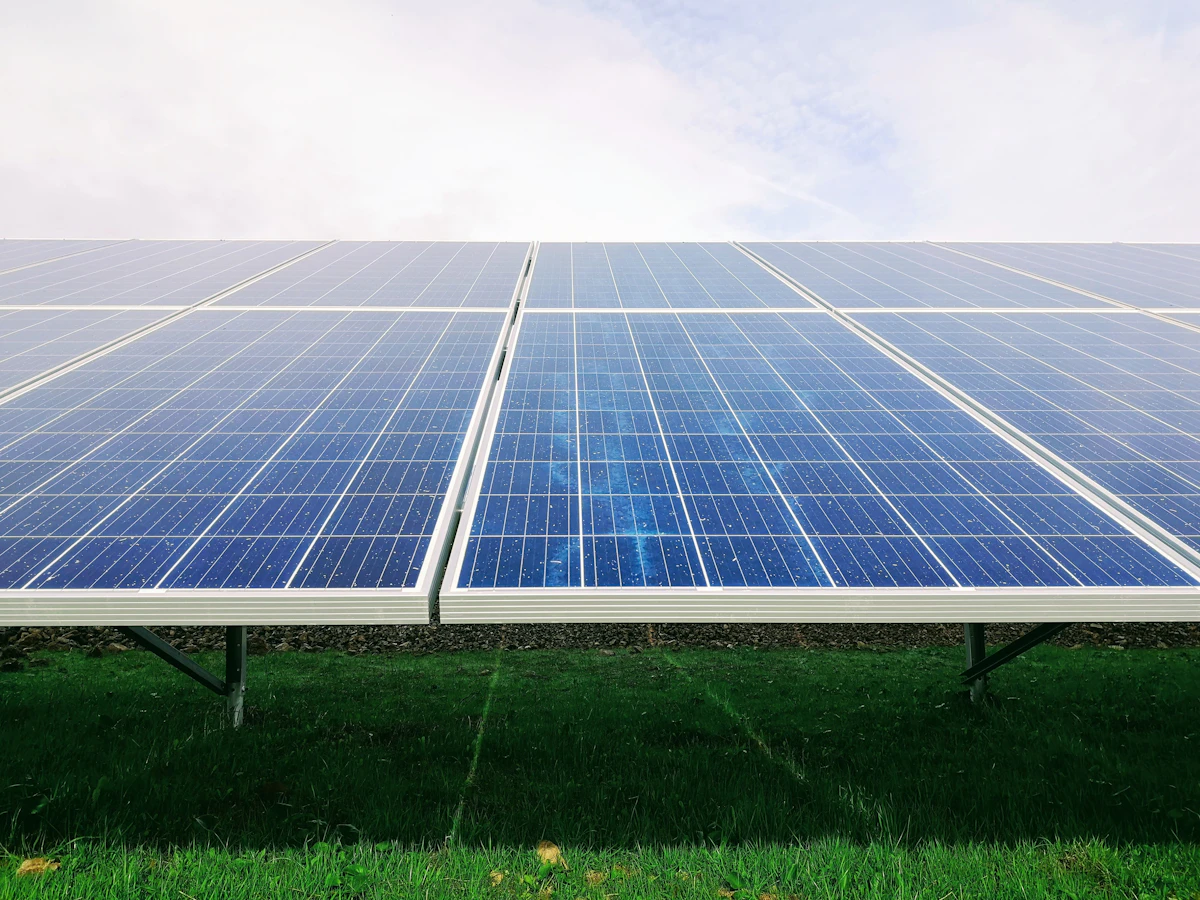
Ground-mount solar is installed on dedicated racking structures mounted to the ground. It requires available yard space and a longer wire run to the house, but offers significant performance and practical advantages that often justify the additional cost.
Production Comparison
Optimal Tilt Angle
Roof pitch is fixed. If your roof faces south at 20 degree pitch but your latitude is 40 degrees N (optimal tilt is 30-35 degrees), your array operates at a permanent tilt disadvantage -- typically 5-10% below optimal annual yield.Ground mounts can be set to any tilt angle. Adjustable ground mounts (like the Renogy ADJ-TILT system) allow seasonal adjustment -- steeper in winter, shallower in summer -- yielding a further 5-15% seasonal boost.
Shading
Roof-mounted panels are fixed in position relative to your roofline and surroundings. If a new tree or chimney shadow partially shades your panels, your options are limited.Ground-mount positioning is fully controllable. You choose a clear site with optimal sky exposure. Shading can be designed out entirely.
Practical Considerations
Roof Condition and Age
If your roof has fewer than 10 years of service life remaining, rooftop solar is not advisable without re-roofing first. Adding solar to a failing roof requires a costly panel-removal-and-reinstall cycle. Ground mount bypasses this entirely.Roof Penetrations and Water Intrusion Risk
Every roof penetration (stanchion, lag bolt) is a potential leak point. Properly flashed and sealed penetrations rarely leak. But over 25 years, improperly done flashing that degrades before inspection can cause significant water damage. Ground mount carries zero roof penetration risk.Space Requirement
A 10 kW system requires approximately 600-700 sq ft of panel area. For rural properties with an acre or more, ground space is trivial. For urban lots where every square foot counts, roof mount is often the only option.Cost Comparison (10 kW System)
| Component | Roof-Mount | Ground-Mount |
|---|
| Racking hardware | $800-$1,500 | $2,000-$4,000 |
|---|
| Installation labor | $3,000-$5,000 | $3,500-$6,000 |
|---|
| Wire run to house | Minimal | $500-$2,000 |
|---|
| Total premium vs. roof | Base | +$2,000-$5,000 |
|---|
25-Year ROI Analysis
Assuming 5% production improvement from optimal tilt on ground mount, on a 10 kW system at $0.15/kWh:
- Extra annual value from ground mount: approximately $74/year
- Extra ground-mount cost: $3,500
- Payback of premium: 47 years -- not justified on production alone
Decision Recommendation
Choose roof mount when:
- Roof is in good condition with 15+ years remaining
- South or near-south facing with acceptable pitch
- Limited yard space
- Shading analysis shows less than 10% annual loss
- Roof condition, age, or orientation is suboptimal
- Significant shading on available roof space
- Bifacial panels on a light-coloured surface (adds 15-20%)
- Seasonal adjustment for winter production gain is valuable
- Property size makes space available